

Category: Mental Health

  • How Breathing Techniques Can Help Alleviate Anxiety

    How Breathing Techniques Can Help Alleviate Anxiety

    Anxiety is not experienced only in the mind. It can also affect the body, causing a racing heart, rapid breathing, muscle tension, dizziness, sweating, and a feeling of being unable to relax. Although breathing cannot eliminate every source of anxiety, deliberately slowing and regulating the breath can provide a practical way to reduce physical arousal and regain a sense of control.


    The Connection Between Breathing and Anxiety

    When a person feels threatened or overwhelmed, the body activates its stress response. Breathing may become faster and shallower as the nervous system prepares to respond to danger. This reaction can be useful during a genuine emergency, but it may also occur in response to worries, social situations, work pressures, or distressing thoughts.

    Rapid breathing can intensify uncomfortable sensations such as lightheadedness, chest tightness, tingling, and a pounding heartbeat. These sensations may then be interpreted as evidence that something is seriously wrong, creating a cycle in which anxious thoughts and physical symptoms reinforce each other (read also: Grounding Techniques to Reduce Anxiety).

    Slow, controlled breathing can help interrupt this cycle. It encourages a steadier respiratory pattern and may support the parasympathetic nervous system, which is involved in rest, recovery, and regulation. Research suggests that slow breathing can influence heart-rate variability and other measures of autonomic activity. Studies have also found modest reductions in self-reported anxiety and stress, although results vary between individuals and breathing methods.

    Why the Exhale Matters

    Many calming breathing exercises emphasize a gentle, slightly longer exhalation. During inhalation, the heart rate naturally tends to increase slightly. During exhalation, it tends to decrease. Extending the exhale without straining may therefore help create a feeling of settling or slowing down.

    The goal is not to take the biggest possible breath. Overly deep or rapid breathing can cause dizziness or worsen symptoms in people who are sensitive to changes in breathing. A calm breath should feel comfortable, quiet, and controlled rather than forced.


    A Simple Slow-Breathing Exercise

    One accessible method is to breathe in gently through the nose and breathe out slowly through the mouth or nose.

    1. Sit in a supported position and relax your shoulders.
    2. Place one hand on your abdomen if this helps you notice your breathing.
    3. Inhale gently for about four seconds.
    4. Exhale slowly for about six seconds.
    5. Continue for one to three minutes.

    The timing does not need to be exact. Some people prefer equal-length breaths, while others find a longer exhale more relaxing. The most important factors are comfort, steadiness, and avoiding the urge to force the lungs completely full or empty.

    If counting increases anxiety, use simple words instead. Think “breathing in” during the inhale and “letting go” during the exhale. Another option is to follow the movement of the abdomen or the sensation of air passing through the nose.


    Diaphragmatic Breathing

    Diaphragmatic breathing, sometimes called abdominal or belly breathing, encourages greater movement of the diaphragm rather than relying mainly on the upper chest.

    To practice, place one hand on the upper chest and the other on the abdomen. Breathe gently so that the lower hand moves more than the upper hand. The abdomen should expand naturally as you inhale and soften as you exhale.

    This technique can be useful for people who habitually breathe rapidly into the upper chest when stressed. However, there is no need to exaggerate the movement. Breathing should remain relaxed and should not cause air hunger, discomfort, or breathlessness.


    Using Breathing Techniques in Daily Life

    Breathing exercises often work best when practiced regularly rather than saved only for moments of severe anxiety. A person might practice for a few minutes after waking, before an important meeting, while sitting in traffic, or as part of a bedtime routine.

    Regular practice may make the technique easier to access when anxiety rises. It can also provide a pause between an anxious thought and an automatic reaction. During that pause, the person may be better able to identify what they are feeling, question catastrophic thoughts, or decide on a constructive next step.

    Breathing can also be combined with other strategies, including grounding exercises, progressive muscle relaxation, mindfulness, physical activity, and psychotherapy. For example, a person might slow their breathing while naming five things they can see, four things they can feel, and three things they can hear.

    Understanding the Limitations

    Breathing techniques are supportive tools, not cures for anxiety disorders. Research is encouraging, but not every study has found that one breathing pattern performs better than another carefully structured relaxation exercise. Expectations, regular practice, attention, and the calming environment may all contribute to the benefit.

    Breathing exercises should not replace professional assessment when anxiety is persistent, severely distressing, or interfering with sleep, relationships, work, or daily responsibilities. Evidence-based treatments such as cognitive behavioral therapy and, when appropriate, medication may be necessary.

    People with significant respiratory or cardiovascular conditions should discuss unfamiliar breathing practices with a healthcare professional. Stop the exercise if it causes marked dizziness, chest pain, faintness, severe breathlessness, or worsening panic. Forceful, rapid-breathing methods and prolonged breath-holding are different from gentle slow breathing and may provoke intense physical symptoms.


    A Small Tool With Practical Value

    One of the main advantages of slow breathing is its accessibility. It requires no equipment, can be practiced discreetly, and takes only a few minutes. It may not remove the situation causing anxiety, but it can reduce physical escalation and create enough mental space to respond more deliberately.

    The next time anxiety begins to build, the first step does not have to be solving every problem at once. It may simply be allowing the shoulders to soften, taking one comfortable breath, and making the next exhale a little slower.


    Evidence

    Controlled-breathing interventions have been associated with small-to-moderate improvements in anxiety and stress, although study quality and methods vary and stronger randomized evidence is still needed.

    Slow breathing appears to increase measures of vagally mediated heart-rate variability, supporting a plausible autonomic mechanism for its calming effects.

    Some well-controlled trials have not found slow breathing to be superior to matched breathing or attention-based comparison exercises, so it should be presented as a supportive technique rather than a stand-alone cure.

    Forceful high-ventilation breathwork differs from gentle slow breathing and can cause substantial physiological changes; its clinical benefits and safety require further study.

    Dr. Sara Michelson is a Licensed Psychologist in Chapel Hill N.C.

    I am a doctoral-level licensed psychologist in Chapel Hill North Carolina; I have expertise in various evidence-based treatments for adults and am committed to providing scientifically validated interventions. I work with a diverse population, including trauma, insomnia, mood disorders, anxiety, and relationship problems. I take my work and clinical specializations seriously and continue to devote a considerable amount of time and effort to advance my training and professional development. For your convenience, my services are provided via telehealth.

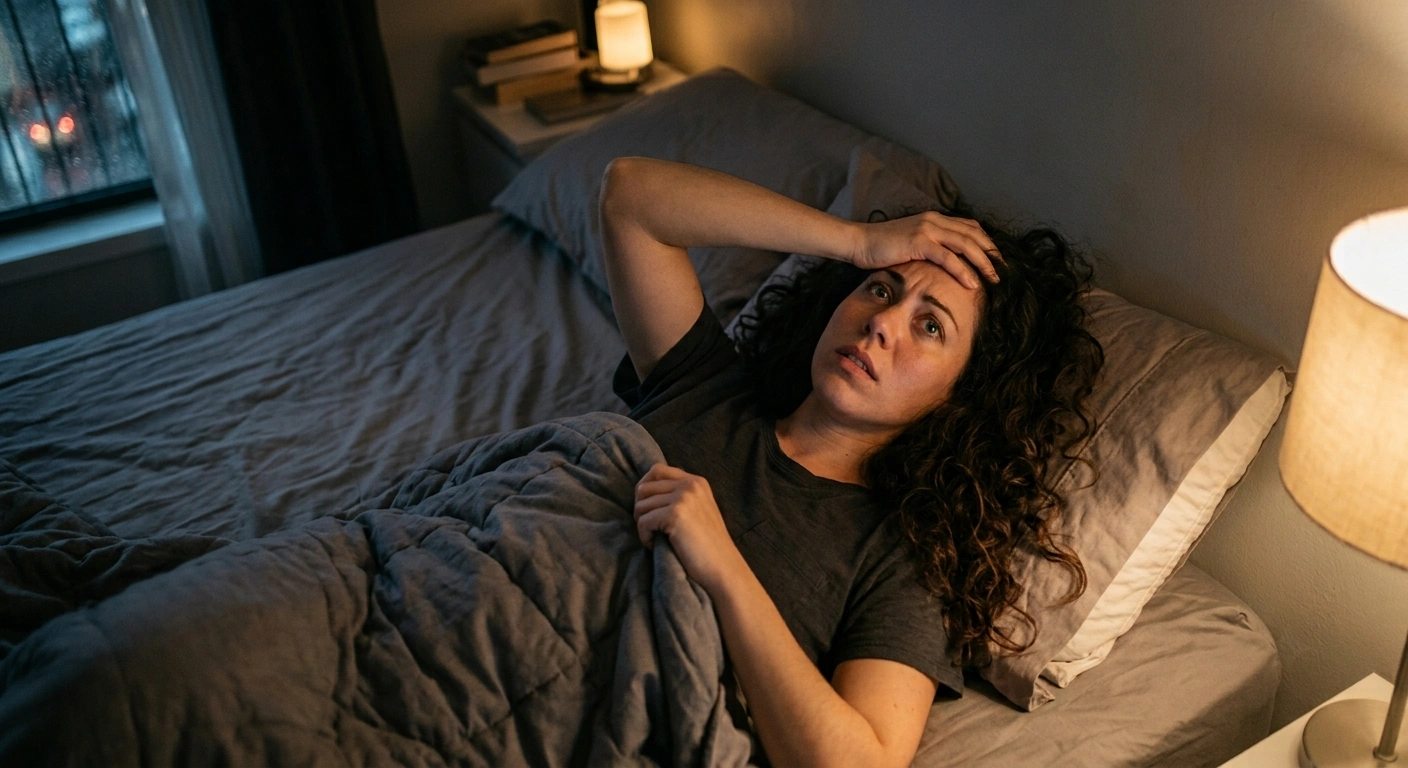
  • How Radical Acceptance Can Help Reduce Anxiety

    How Radical Acceptance Can Help Reduce Anxiety

    Anxiety often intensifies when we fight against reality. The mind says, “This should not be happening”, “I cannot tolerate this”, or “Everything needs to change before I can feel calm.” These thoughts are understandable, especially during stress. But they can also keep the nervous system activated. Radical acceptance offers a different way to respond.

    Radical acceptance means acknowledging reality as it is in this moment, without denial, avoidance, or constant argument with what has already happened. It does not mean liking the situation. It does not mean approving of something painful, unfair, or difficult. It also does not mean giving up. Instead, it means recognizing, “This is what is happening right now, and I can choose how to respond.”


    Radical Acceptance And Anxiety

    This distinction is important. Much of anxiety comes not only from the situation itself, but from our emotional reaction and the extra layer of resistance added on top of it. For example, feeling anxious before a presentation may be uncomfortable, but telling yourself, “I should not feel this way,” or “This anxiety means I will fail,” can make the experience worse. Radical acceptance allows you to say, “I am anxious right now. This feeling is unpleasant, but it is here. I can still take the next step.”

    By accepting the present moment, we reduce the struggle against it. This can lower emotional intensity and help us think more clearly. When we stop using energy to deny reality, we can redirect that energy toward problem-solving, self-care, or appropriate action.

    How Radical Acceptance Can Help Manage Uncertainties

    Radical acceptance can also help with uncertainty, one of the most common drivers of anxiety. Many people try to manage anxiety by seeking perfect certainty: reassurance, repeated checking, overplanning, or imagining every possible outcome. These strategies may bring short-term relief, but they often strengthen anxiety over time. Radical acceptance helps us practice a more flexible response: “I do not know exactly what will happen, and I can still handle this moment.”


    Practical Approach

    A simple way to practice is to pause and name the facts. For example: “This appointment is tomorrow.” “I am waiting for results.” “I feel tension in my chest.” Then separate the facts from the story your mind is adding. “Something bad will definitely happen” is not a fact; it is a fear. This separation creates space between you and the anxious thought.

    From there, ask, “What is within my control right now?” The answer may be small: take a breath, make one phone call, prepare what is needed, rest, or ask for support. Radical acceptance does not remove responsibility. It helps you act from a steadier place.

    Summary

    Like any skill, radical acceptance takes repetition. It may feel unnatural at first, especially if anxiety has trained the mind to scan for danger and resist discomfort. But with practice, it can reduce emotional suffering, increase resilience, and help you respond to life with more clarity.

    The goal is not to never feel anxious. The goal is to stop adding unnecessary struggle to anxiety and to meet the present moment with honesty, steadiness, and choice.

    Dr. Sara Michelson is a Licensed Psychologist in Chapel Hill N.C.

    I am a doctoral-level licensed psychologist in Chapel Hill North Carolina; I have expertise in various evidence-based treatments for adults and am committed to providing scientifically validated interventions. I work with a diverse population, including trauma, insomnia, mood disorders, anxiety, and relationship problems. I take my work and clinical specializations seriously and continue to devote a considerable amount of time and effort to advance my training and professional development. For your convenience, my services are provided via telehealth.

  • How ADHD Can Affect Sleep

    How ADHD Can Affect Sleep

    ADHD is often described as a condition that affects attention, impulsivity, organization, and emotional regulation, but for many people, ADHD also affects something just as important: Sleep.

    Sleep problems are common in both children and adults with ADHD. Some people struggle to fall asleep, even when they feel tired. Others stay up late because their mind feels more active at night. Some wake often, sleep restlessly, or feel exhausted in the morning even after spending enough time in bed.


    Reasons ADHD can Interfere with Sleep

    One reason ADHD can interfere with sleep is difficulty with transitions. Going to bed requires stopping one activity, beginning another routine, and tolerating a quieter environment. For someone with ADHD, that shift can be hard. A person may intend to go to bed at 10:00 PM, then lose track of time, start another task, scroll on a phone, or suddenly feel motivated to finish something.

    Racing thoughts can also play a role. When the day finally becomes quiet, the brain may start reviewing conversations, planning tomorrow, replaying worries, or jumping between ideas. This can make bedtime feel like the least restful part of the day.

    ADHD is also linked with differences in circadian rhythm, or the body’s internal clock. Some people with ADHD naturally feel more awake later in the evening and sleepier in the morning. This delayed sleep pattern can create problems when school, work, or family responsibilities require an early start.


    Medication can matter too

    Stimulant medications can be very effective for ADHD symptoms, but for some people they may make it harder to fall asleep, especially if taken too late in the day or if the dose is not the right fit. This does not mean someone should stop medication suddenly. It means sleep should be discussed with the prescribing clinician.

    Poor sleep can then make ADHD symptoms worse.

    A tired brain has more trouble focusing, regulating emotions, remembering tasks, and controlling impulses. In children, sleep deprivation may look like hyperactivity or behavior problems. In adults, it may look like irritability, procrastination, brain fog, or low motivation.

    Because ADHD and sleep affect each other, improving sleep can be an important part of managing ADHD. Helpful strategies often include a consistent wake time, a predictable bedtime routine, reduced evening screen use, less caffeine later in the day, and a wind-down period before bed. Keeping a sleep diary can also help identify patterns.

    It is also important to look for sleep disorders. Snoring, pauses in breathing, restless legs, frequent night waking, or severe daytime sleepiness should be discussed with a healthcare provider.

    Summary

    ADHD-related sleep problems are not laziness or poor discipline. They are part of a real pattern that can affect health, mood, learning, and daily functioning. With the right support, many people with ADHD can improve sleep and feel more steady during the day.

    Dr. Sara Michelson is a Licensed Psychologist in Chapel Hill N.C.

    I am a doctoral-level licensed psychologist in Chapel Hill North Carolina; I have expertise in various evidence-based treatments for adults and am committed to providing scientifically validated interventions. I work with a diverse population, including trauma, insomnia, mood disorders, anxiety, and relationship problems. I take my work and clinical specializations seriously and continue to devote a considerable amount of time and effort to advance my training and professional development. For your convenience, my services are provided via telehealth.

  • Grounding Techniques to Reduce Anxiety

    Grounding Techniques to Reduce Anxiety

    Grounding exercises are simple, practical tools that can help reduce anxiety by bringing attention back to the present moment. When anxiety rises, the mind often shifts into “what if” thinking—worrying about the future, replaying the past, or getting stuck in catastrophic predictions.

    Grounding techniques interrupt this cycle by anchoring attention to the here and now, often through the body, senses, or environment. While they do not eliminate anxiety entirely, they can significantly reduce its intensity and help individuals regain a sense of control.


    The 5-4-3-2-1 Grounding Exercise

    One of the most well-known grounding strategies is the . This exercise engages all five senses to redirect focus outward. A person identifies five things they can see, four things they can feel, three things they can hear, two things they can smell, and one thing they can taste.

    This structured sensory scan helps shift attention away from internal worry and into immediate experience. It is especially useful during panic attacks or moments of acute anxiety because it is simple and can be done anywhere.


    Physical Grounding, Using the Body to Stabilize Emotional Distress

    Another effective category of grounding exercises is physical grounding, which uses the body to stabilize emotional distress. This might include pressing feet firmly into the floor, holding a cold object like an ice cube, or clenching and releasing fists.

    Some individuals find it helpful to engage in repetitive movement such as walking while focusing on each step or gently tapping different parts of the body. These actions signal safety to the nervous system and help reduce physiological arousal associated with anxiety.


    Breathing-based grounding techniques

    Breathing-based grounding techniques are also widely used. Slow, intentional breathing—such as inhaling for four counts, holding for four, and exhaling for six—can activate the parasympathetic nervous system, which supports relaxation. Unlike shallow or rapid breathing that often accompanies anxiety, controlled breathing helps regulate heart rate and restore a sense of calm.

    Pairing breathwork with sensory awareness, such as noticing the feeling of air entering and leaving the nostrils, can make the exercise even more effective.

    Cognitive or mental exercises

    A third type of grounding involves cognitive or mental exercises. These help redirect racing thoughts by focusing the mind on neutral or structured tasks. For example, individuals may count backward from 100 by sevens, name categories of objects (such as types of animals or cities), or repeat a calming phrase like “I am safe right now.” These exercises occupy working memory, leaving less space for anxious rumination.


    Environmental grounding

    Environmental grounding can also be helpful. This involves intentionally engaging with one’s surroundings—describing details in a room, noticing textures, or focusing on the colors and shapes of nearby objects. Stepping outside and observing nature, such as trees, sky, or water, can be especially calming and restorative. Nature-based grounding has been shown to reduce stress and improve emotional regulation.

    Summary

    Overall, grounding exercises work because they shift the brain out of threat-based thinking and into present-moment awareness. They are not a replacement for therapy or medical treatment, but they are powerful coping tools that can be used in daily life. With practice, individuals often find that grounding becomes easier and more automatic, helping them navigate anxiety with greater resilience and stability.

    Dr. Sara Michelson is a Licensed Psychologist in Chapel Hill N.C.

    I am a doctoral-level licensed psychologist in Chapel Hill North Carolina; I have expertise in various evidence-based treatments for adults and am committed to providing scientifically validated interventions. I work with a diverse population, including trauma, insomnia, mood disorders, anxiety, and relationship problems. I take my work and clinical specializations seriously and continue to devote a considerable amount of time and effort to advance my training and professional development. For your convenience, my services are provided via telehealth.

  • Coping With Obsessive Thinking

    Coping With Obsessive Thinking

    Obsessive thoughts and rumination can feel like being stuck in a mental loop that won’t shut off. A thought appears, feels important or threatening, and then the mind returns to it again and again in an attempt to “solve” it. Unfortunately, this process rarely leads to resolution. Instead, it often increases anxiety, reinforces doubt, and deepens emotional distress. Learning how to cope with obsessive thinking and rumination is less about forcing thoughts away and more about changing your relationship to them.


    Coping With Obsessive Thinking And Rumination

    One of the most important steps in coping with rumination is recognizing the pattern itself. Rumination often disguises itself as problem-solving, but there is a key difference: problem-solving leads to action and closure, while rumination circles the same ideas without resolution. Common signs include replaying past conversations, second-guessing decisions, or repeatedly asking “what if” questions without reaching new conclusions. Simply noticing, “I am ruminating right now,” creates a small but powerful moment of distance between you and the thought process.


    Helpful Strategies

    Cognitive Defusion

    A helpful next step is cognitive defusion, a concept drawn from acceptance-based therapies. Cognitive defusion involves learning to see thoughts as mental events rather than facts or commands. Instead of believing “Something bad is going to happen,” you might reframe it as “I am having the thought that something bad is going to happen.” This subtle shift reduces the authority of the thought. Techniques such as silently repeating a distressing thought in a silly voice or imagining it written on a passing cloud can also reduce its emotional intensity.

    Redirecting Attention Intentionally

    Another effective strategy is redirecting attention intentionally, rather than trying to suppress thoughts. Suppression often backfires, making thoughts more persistent. Instead, it can be useful to engage in structured attention-shifting activities. These include tasks that require focus such as reading, cooking, doing puzzles, or physical exercise. Activities that engage both body and mind—like yoga, walking while noticing surroundings, or strength training—are especially helpful because they interrupt mental looping while grounding attention in the present moment.

    Scheduled worry time

    Scheduled worry time is another technique that can help contain rumination. Instead of allowing obsessive thoughts to dominate the entire day, you set aside a specific 10–20 minute period where you intentionally allow yourself to worry or reflect. When intrusive thoughts arise outside of that window, you acknowledge them and postpone them: “I will think about this during my scheduled time.” Over time, this helps retrain the brain to stop treating every thought as urgent.

    Examining The Role of Uncertainty In Rumination

    It is also important to examine the role of uncertainty and control in rumination. Many obsessive thought patterns are driven by a need for certainty—trying to find the “right” answer, prevent all mistakes, or eliminate all risk. However, life inherently contains uncertainty, and the mind cannot fully resolve every question. Practicing tolerance of uncertainty can be transformative. This might sound like, “I may never have 100% certainty about this, and I can still move forward.” Learning to sit with “good enough” rather than perfect certainty reduces the fuel that keeps rumination going.

    Self-Compassion

    Self-compassion plays a crucial role as well. People who ruminate often become harsh self-critics, judging themselves for having intrusive thoughts in the first place. This judgment can intensify distress and create a secondary layer of suffering. A more helpful stance is to respond with kindness: “This is a difficult moment. My mind is trying to protect me, even if it is going too far right now.” Treating yourself with the same understanding you would offer a friend helps soften the emotional grip of obsessive thinking.

    Working With A Therapist

    For some individuals, rumination is closely tied to anxiety, depression, or obsessive-compulsive patterns. In these cases, structured therapeutic approaches such as Cognitive Behavioral Therapy (CBT) or Exposure and Response Prevention (ERP) can be particularly effective. These therapies help individuals gradually change how they respond to intrusive thoughts, rather than trying to eliminate the thoughts themselves.

    Lifestyle Factors

    Finally, lifestyle factors should not be overlooked. Sleep deprivation, chronic stress, excessive caffeine, and lack of physical activity can all increase vulnerability to rumination. Supporting the body through regular sleep, movement, nutrition, and relaxation practices creates a stronger foundation for mental resilience.


    Summary

    Ultimately, coping with obsessive thoughts and rumination is about shifting from struggle to relationship. Instead of battling thoughts or trying to force them away, the goal is to observe them, reduce their influence, and gently redirect attention toward what matters most in the present. With consistent practice, the mind becomes less of a trap of looping thoughts and more of a place where experiences can pass through without taking control.

    Dr. Sara Michelson is a Licensed Psychologist in Chapel Hill N.C.

    I am a doctoral-level licensed psychologist in Chapel Hill North Carolina; I have expertise in various evidence-based treatments for adults and am committed to providing scientifically validated interventions. I work with a diverse population, including trauma, insomnia, mood disorders, anxiety, and relationship problems. I take my work and clinical specializations seriously and continue to devote a considerable amount of time and effort to advance my training and professional development. For your convenience, my services are provided via telehealth.

  • Perimenopause and Anxiety: Understanding the Connection Between Hormones, Sleep, and Mental Health

    Perimenopause and Anxiety: Understanding the Connection Between Hormones, Sleep, and Mental Health

    Perimenopause is a transitional phase leading up to menopause that can bring significant physical and emotional changes. While hot flashes and irregular periods are widely recognized symptoms, many women are surprised to experience increased anxiety and sleep disruption during perimenopause. Understanding how hormonal shifts affect mood and sleep can help normalize these experiences and guide effective treatment.


    What Is Perimenopause?

    Perimenopause typically begins in a woman’s 40s, though it can start earlier, and may last several years before menopause. During this time, levels of estrogen and progesterone fluctuate unpredictably. These hormonal changes can affect multiple systems in the body, including the brain regions involved in mood regulation and sleep.

    Because these changes occur gradually and inconsistently, symptoms may come and go, making perimenopause difficult to recognize.


    How Perimenopause Contributes to Anxiety

    Anxiety during perimenopause is common—even in individuals with no prior history of anxiety disorders. Hormonal fluctuations can influence neurotransmitters such as serotonin and GABA, which play a key role in emotional regulation. As a result, many women report:

    • Increased worry or feeling on edge
    • Heightened sensitivity to stress
    • Panic-like symptoms or sudden anxiety surges
    • Difficulty concentrating or “brain fog”
    • Irritability or emotional reactivity

    These symptoms can feel unsettling, especially when they appear unexpectedly or seem disproportionate to external stressors.

    Perimenopause, Sleep, and Anxiety

    Sleep problems are one of the most common complaints during perimenopause and are closely linked to anxiety. Hormonal shifts can disrupt sleep directly, while anxiety can make it harder to fall or stay asleep.

    Common sleep concerns include:

    • Difficulty falling asleep due to racing thoughts
    • Frequent nighttime awakenings
    • Early morning awakening
    • Night sweats or temperature dysregulation

    Over time, poor sleep can worsen anxiety, creating a cycle of anxiety and insomnia. Addressing both sleep and anxiety is often necessary for lasting improvement.


    Evidence-Based Treatment for Perimenopausal Anxiety and Insomnia

    Cognitive Behavioral Therapy (CBT)

    CBT is an effective, evidence-based treatment for anxiety that helps individuals identify and change unhelpful thought patterns, reduce worry, and build coping skills. CBT can be particularly helpful during perimenopause, when stress tolerance may feel reduced.

    CBT for Insomnia (CBT-I)

    CBT-I is the gold-standard treatment for chronic insomnia, including sleep problems related to anxiety and perimenopause. CBT-I focuses on improving sleep habits, reducing nighttime anxiety, and restoring healthy sleep patterns without medication.

    Integrative Approaches

    Treatment may also include mindfulness strategies, stress-management techniques, and behavioral interventions to support emotional regulation and sleep quality. In some cases, collaboration with a medical provider regarding hormone therapy or medication may be appropriate.


    Telehealth Therapy for Perimenopause, Anxiety, and Sleep

    Telehealth therapy makes it easier to access specialized care for perimenopausal anxiety and insomnia. Research shows that telehealth CBT and CBT-I are as effective as in-person treatment, allowing individuals to receive care from the comfort of home.

    For women balancing work, caregiving, and health changes, telehealth offers flexibility and continuity of care during a time of transition.


    When to Seek Support

    If anxiety or sleep problems are interfering with your daily life, relationships, or sense of well-being, professional support can help. Perimenopause is a significant biological transition—and you do not need to navigate it alone.

    Working with a psychologist who specializes in anxiety, insomnia, and women’s mental health can help you better understand your symptoms and develop effective, evidence-based strategies for relief.

    Dr. Sara Michelson is a Licensed Psychologist in Chapel Hill N.C.

    I am a doctoral-level licensed psychologist in Chapel Hill North Carolina; I have expertise in various evidence-based treatments for adults and am committed to providing scientifically validated interventions. I work with a diverse population, including trauma, insomnia, mood disorders, anxiety, and relationship problems. I take my work and clinical specializations seriously and continue to devote a considerable amount of time and effort to advance my training and professional development. For your convenience, my services are provided via telehealth.

  • Generalized Anxiety Disorder (GAD): Symptoms and Effective Treatment Through Telehealth

    Generalized Anxiety Disorder (GAD): Symptoms and Effective Treatment Through Telehealth

    Generalized Anxiety Disorder (GAD) is a common and highly treatable mental health condition that affects many adults across the United States. Individuals with GAD experience persistent, excessive worry that is difficult to control and often accompanied by physical symptoms such as muscle tension, fatigue, and sleep disturbance. Anxiety and insomnia frequently occur together, creating a cycle that can significantly impact daily functioning and quality of life.

    With advances in telehealth, evidence-based treatment for generalized anxiety disorder—including cognitive behavioral therapy (CBT) and CBT for insomnia (CBT-I) —is now accessible to individuals in PSYPACT participating states, as well as locally where licensed.


    What Is Generalized Anxiety Disorder (GAD)?

    Generalized Anxiety Disorder is characterized by ongoing worry about a wide range of everyday situations, such as work, health, relationships, or family responsibilities. Unlike situational stress, the anxiety associated with GAD is chronic, disproportionate, and difficult to turn off, even when there is no immediate threat.

    To meet diagnostic criteria, symptoms typically persist for six months or longer and cause distress or impairment in important areas of life. Many individuals with GAD also struggle with chronic insomnia, difficulty falling asleep, or frequent nighttime awakenings due to racing thoughts.

    Symptoms of Generalized Anxiety Disorder (GAD)

    Cognitive and Emotional Symptoms

    • Excessive and uncontrollable worry
    • Constant mental “looping” or overthinking
    • Difficulty tolerating uncertainty
    • Feeling restless, on edge, or overwhelmed
    • Trouble concentrating or mental fatigue
    • Irritability or heightened emotional sensitivity

    Physical Symptoms

    • Muscle tension, jaw clenching, or body aches
    • Chronic fatigue
    • Sleep difficulties, including anxiety-related insomnia
    • Headaches or gastrointestinal discomfort
    • Elevated heart rate or shallow breathing

    Because anxiety activates the body’s stress response, many individuals with GAD report that poor sleep worsens their anxiety, while anxiety makes it harder to sleep—creating a reinforcing cycle.


    Anxiety and Insomnia: A Common Overlap

    Anxiety disorders are one of the most common contributors to chronic insomnia. Worry, hyperarousal, and difficulty shutting off the mind at night can interfere with sleep onset and sleep maintenance. Over time, this pattern can evolve into comorbid anxiety and insomnia, which often requires targeted treatment.

    Addressing both conditions together—rather than focusing on sleep or anxiety alone—leads to better outcomes.


    Evidence-Based Treatment for Generalized Anxiety Disorder

    Cognitive Behavioral Therapy (CBT) for Anxiety

    CBT is a first-line, evidence-based treatment for generalized anxiety disorder. CBT for anxiety helps individuals:

    • Identify and modify unhelpful thought patterns
    • Reduce excessive reassurance-seeking and avoidance
    • Increase tolerance for uncertainty
    • Develop practical coping skills for managing worry

    CBT is structured, collaborative, and effective for both in-person and telehealth therapy.

    When anxiety and insomnia co-occur, Cognitive Behavioral Therapy for Insomnia (CBT-I) is the gold-standard treatment. CBT-I addresses:

    • Difficulty falling or staying asleep
    • Sleep-related anxiety and hyperarousal
    • Unhelpful sleep habits and patterns

    CBT-I is highly effective for improving sleep and often leads to reductions in daytime anxiety as sleep becomes more consistent and restorative.

    Mindfulness and Behavioral Strategies

    Treatment may also incorporate:

    • Mindfulness-based strategies to reduce mental reactivity
    • Relaxation and stress-management techniques
    • Behavioral interventions to reduce avoidance
    • Skills to regulate the nervous system

    Medication

    Medication can be helpful for some individuals and may be used alongside therapy. Decisions about medication should be made in consultation with a prescribing provider.

    Telehealth Therapy for Anxiety and Insomnia

    Telehealth therapy allows individuals to access high-quality, evidence-based care from the comfort of home. Research shows that telehealth CBT and CBT-I are as effective as in-person treatment for anxiety and insomnia.

    Through PSYPACT, licensed psychologists can provide telehealth services to clients in participating states, expanding access to specialized care for generalized anxiety disorder and insomnia.


    When to Seek Treatment

    If worry feels constant, sleep is disrupted, or anxiety is interfering with your work, relationships, or well-being, therapy can help. Early intervention often leads to faster and more lasting improvement.

    Working with a psychologist who specializes in anxiety disorders, insomnia, and CBT-I can help you better understand your symptoms and develop effective strategies for change.

    Dr. Sara Michelson is a Licensed Psychologist in Chapel Hill N.C.

    I am a doctoral-level licensed psychologist in Chapel Hill North Carolina; I have expertise in various evidence-based treatments for adults and am committed to providing scientifically validated interventions. I work with a diverse population, including trauma, insomnia, mood disorders, anxiety, and relationship problems. I take my work and clinical specializations seriously and continue to devote a considerable amount of time and effort to advance my training and professional development. For your convenience, my services are provided via telehealth.

  • What Is Mindfulness? A Simple Guide to Being Present

    What Is Mindfulness? A Simple Guide to Being Present

    In our fast-paced, always-connected world, it’s easy to move through the day on autopilot—scrolling our phones during breakfast, mentally rewriting emails in the shower, or replaying conversations long after they’ve ended. Our minds naturally drift to the past or leap into the future, often leaving us feeling overwhelmed or disconnected from the present moment.

    Mindfulness offers a different way of being present in the moment and relating to our thoughts, emotions, and experiences. Rather than rushing, reacting, or judging ourselves harshly, mindfulness invites us to pause, notice, and gently return to the here and now.


    What Exactly Is Mindfulness?

    Mindfulness is the practice of purposefully paying attention to the present moment with openness and curiosity. It means noticing what is happening right now—in the body, mind, and environment—without trying to judge it, change it, or label it as being positive or negative.

    You might think of it as building a mental skill similar to strengthening a muscle. The more we practice bringing our awareness back to the moment, the easier it becomes to access calm, clarity, and balance, even during stress.


    How Mindfulness Helps

    Research has shown that regular mindfulness practice can:

    • Reduce stress and emotional reactivity
    • Improve concentration and focus
    • Support better sleep
    • Lower symptoms of anxiety and depression
    • Enhance emotional regulation and self-compassion

    When we aren’t caught up in racing thoughts or future worries, we’re better able to make thoughtful decisions, communicate clearly, and respond rather than react.

    Mindfulness in Everyday Life

    Mindfulness doesn’t require sitting cross-legged on a cushion for hours. Small, intentional moments throughout the day can make a noticeable difference. Here are a few approachable ways to try mindfulness:

    1. Mindful Breathing

    Take a moment to feel the sensation of your breath moving in and out. Notice the rise and fall of your chest, the coolness of air at the nostrils, or the softening of the body as you exhale. When the mind wanders—which it will—gently guide it back to your breath.

    2. Mindful Eating

    Choose one meal or snack this week to eat without rushing or multitasking. Notice flavors, textures, colors, and the experience of nourishing your body. Slow down enough to savor.

    3. Mindful Walking

    During a walk, bring attention to your feet touching the ground, the rhythm of your steps, the breeze on your skin, or the sounds around you. Let the walk be less about getting somewhere and more about being present along the way.

    4. Mindfulness of Emotions

    Instead of pushing feelings away or getting swept up in them, try noticing them with curiosity. Ask yourself: What am I feeling right now? Where do I notice it in my body? Can I breathe with this feeling instead of fighting it?

    Mindfulness is not about emptying the mind or achieving perfect calm. It’s about meeting each moment with awareness, compassion, and acceptance. Some days it feels natural; other days it’s challenging—that’s part of the practice.


    A Gentle Invitation

    Mindfulness is a skill that grows over time. Just a few minutes a day can help create a sense of grounding and spaciousness, especially during stressful seasons of life. By learning to slow down and be present with ourselves, we create more opportunities for clarity, connection, and emotional well-being.

    If you’re curious about integrating mindfulness into your routine or therapy, you’re not alone. Many people find that mindfulness—combined with support, reflection, and coping strategies—can be a meaningful part of mental health care.

    Dr. Sara Michelson is a Licensed Psychologist in Chapel Hill N.C.

    I am a doctoral-level licensed psychologist in Chapel Hill North Carolina; I have expertise in various evidence-based treatments for adults and am committed to providing scientifically validated interventions. I work with a diverse population, including trauma, insomnia, mood disorders, anxiety, and relationship problems. I take my work and clinical specializations seriously and continue to devote a considerable amount of time and effort to advance my training and professional development. For your convenience, my services are provided via telehealth.

  • How Winter Weather Affects Insomnia

    How Winter Weather Affects Insomnia

    Many people notice changes in their sleep during the winter months. Shorter days, colder temperatures, and reduced sunlight can significantly impact sleep patterns and contribute to insomnia. Understanding how winter weather affects sleep can help explain why falling asleep or staying asleep often becomes more difficult during this time of year—and what you can do about it.


    Reduced Daylight and Circadian Rhythm Disruption

    One of the most significant ways winter weather affects insomnia is through reduced exposure to natural light. Daylight plays a critical role in regulating circadian rhythms, the internal clock that tells your body when to feel alert and when to feel sleepy. During winter, shorter days and limited sunlight can disrupt melatonin and serotonin production, leading to difficulty falling asleep, staying asleep, or waking feeling unrefreshed.

    This circadian misalignment is especially problematic for individuals who already struggle with insomnia or seasonal mood changes.


    Increased Time Indoors and Irregular Routines

    Cold temperatures and inclement weather often lead to spending more time indoors and reduced physical activity. Less movement during the day can decrease sleep drive at night, making it harder to fall asleep. Additionally, winter schedules may become less consistent due to holidays, travel, or working from home, further disrupting sleep routines.

    Irregular bedtimes and wake times are a common contributor to chronic insomnia.


    Winter Stress and Sleep Anxiety

    Winter can bring increased psychological stress, which directly affects sleep. Financial pressures, holiday demands, end-of-year work stress, and social isolation can all increase anxiety. When stress levels rise, the nervous system remains more activated at night, interfering with the ability to fall asleep or stay asleep.

    Over time, this can lead to conditioned sleep anxiety—where the bed itself becomes associated with frustration and wakefulness.

    Temperature Changes and Sleep Quality

    While cooler temperatures generally support sleep, overly cold or poorly regulated indoor environments can disrupt sleep quality. Dry air from heating systems may cause nasal congestion or throat discomfort, leading to nighttime awakenings. Finding a comfortable sleep environment is especially important during winter months.


    How to Improve Sleep During Winter

    Supporting sleep in winter often requires intentional adjustments. Maintaining consistent sleep and wake times, maximizing morning light exposure, and engaging in regular daytime movement can help regulate circadian rhythms. Creating a calming bedtime routine and limiting evening screen exposure are also important for improving sleep quality.

    For individuals with persistent insomnia, cognitive behavioral therapy for insomnia (CBT-I) is an evidence-based treatment that addresses both the behavioral and psychological factors that maintain sleep difficulties.


    When to Seek Professional Help

    If winter insomnia lasts for weeks or interferes with daytime functioning, working with a psychologist trained in sleep treatment can be helpful. Insomnia is highly treatable, and early intervention can prevent it from becoming chronic.

    Understanding the effects of winter weather on sleep is the first step toward restoring healthier, more restful nights—even during the darkest months of the year.

    Dr. Sara Michelson is a Licensed Psychologist in Chapel Hill N.C.

    I am a doctoral-level licensed psychologist in Chapel Hill North Carolina; I have expertise in various evidence-based treatments for adults and am committed to providing scientifically validated interventions. I work with a diverse population, including trauma, insomnia, mood disorders, anxiety, and relationship problems. I take my work and clinical specializations seriously and continue to devote a considerable amount of time and effort to advance my training and professional development. For your convenience, my services are provided via telehealth.

  • The Psychological Effects of Spring

    The Psychological Effects of Spring

    Spring is often associated with renewal, growth, and fresh starts. Longer days, warmer temperatures, and signs of life returning can have a noticeable impact on mood and energy. While many people experience spring as uplifting, the psychological effects of this season are complex and can vary widely from person to person.


    Increased Light and Mood Changes

    One of the most significant psychological shifts in spring is increased exposure to daylight. Longer daylight hours influence circadian rhythms and the regulation of neurotransmitters such as serotonin and melatonin. For many people, this results in improved mood, greater energy, and better sleep. Individuals who struggle with seasonal affective symptoms during the winter may notice a gradual lifting of low mood and lethargy as spring approaches.

    At the same time, increased energy can feel destabilizing for some. A sudden shift from low energy to heightened activation may exacerbate anxiety, restlessness, or irritability, particularly for individuals who already struggle with anxiety or mood regulation.


    A Season of Pressure and Comparison

    Spring often carries an implicit message of productivity and renewal. Culturally, it is framed as a time to “get back on track,” clean, improve habits, and feel motivated. While this can be inspiring, it can also create pressure. People who do not feel energized or hopeful may experience guilt, self-criticism, or a sense that something is “wrong” with them.

    This seasonal contrast can be especially difficult for individuals dealing with depression, grief, burnout, or chronic stress. Watching the world appear to move forward can intensify feelings of being left behind.

    Transitions and Emotional Reactivation

    Spring is also a time of transition—academic years near completion, work schedules shift, and social expectations increase. Transitions often bring emotional reactivation. Past experiences associated with spring, both positive and painful, can resurface. For some, this season may stir unresolved grief, relationship losses, or reminders of past stressors.

    Additionally, increased social activity can be energizing for some and overwhelming for others, particularly for individuals who are introverted or managing social anxiety.


    Spring and Mental Health Awareness

    It is important to note that shifts in energy and routine can sometimes correspond with increased risk for mood instability. While spring can bring relief, it can also amplify internal states that were subdued during winter. Paying attention to changes in sleep, mood, and anxiety is important during seasonal transitions.


    Supporting Mental Health in Spring

    Supporting psychological well-being in spring often involves balance—embracing increased energy and opportunity while allowing space for rest and self-compassion. Maintaining consistent sleep routines, setting realistic expectations, and noticing emotional responses without judgment can be helpful.

    Therapy can provide a space to process seasonal changes, explore emotional reactions, and develop strategies for navigating transitions in a way that aligns with one’s values rather than cultural pressure.

    Spring may bring light and growth, but it also invites reflection. Honoring both can support emotional resilience and mental health year-round.

    Dr. Sara Michelson is a Licensed Psychologist in Chapel Hill N.C.

    I am a doctoral-level licensed psychologist in Chapel Hill North Carolina; I have expertise in various evidence-based treatments for adults and am committed to providing scientifically validated interventions. I work with a diverse population, including trauma, insomnia, mood disorders, anxiety, and relationship problems. I take my work and clinical specializations seriously and continue to devote a considerable amount of time and effort to advance my training and professional development. For your convenience, my services are provided via telehealth.

  • The Mental Health Benefits of Exercise: More Than Just a Mood Boost

    The Mental Health Benefits of Exercise: More Than Just a Mood Boost

    Most of us know that exercise is good for our bodies—stronger muscles, better cardiovascular health, improved energy, but the benefits extend beyond physical wellness. As a psychologist, I often see how movement can be a powerful and accessible tool for emotional regulation, stress relief, and overall mental well-being. You don’t need hours at the gym or intense training plans; even minor, consistent steps can make a meaningful difference.


    How Exercise Supports Mental Well-Being

    1. A Natural Stress-Reducer

    Physical activity helps regulate cortisol—the body’s primary stress hormone—and stimulates the production of endorphins, chemicals that naturally enhance mood. Many people notice that after a walk, yoga session, or bike ride, the world feels a little bit lighter.

    2. Improved Mood and Reduced Symptoms of Anxiety & Depression

    Research consistently shows that regular exercise can help reduce symptoms of anxiety and depression. Movement increases serotonin and dopamine, neurotransmitters involved in mood and motivation. Over time, exercise can be a valuable complement to therapy, helping individuals manage low mood, irritability, and worry.

    3. Better Sleep

    Quality sleep is essential for emotional health, focus, and resilience. Exercise—especially earlier in the day—can help regulate circadian rhythms, reduce nighttime restlessness, and improve sleep depth. Better sleep often leads to improved mood, less reactivity, and greater capacity to cope with stress.

    4. Cognitive Benefits

    Movement increases blood flow to the brain, supporting concentration, executive functioning, and memory. Even a brief midday walk can sharpen focus and boost productivity. For older adults, regular exercise is associated with slower cognitive decline and enhanced brain health.

    5. Increased Self-Esteem and Sense of Mastery

    Setting and achieving movement goals—no matter how small—can strengthen confidence and agency. Exercise offers regular opportunities to experience success, progress, and a sense of accomplishment.

    Getting Started: Small Steps Matter

    You don’t need to run a marathon to experience psychological benefits. Start with activities you enjoy or that feel manageable:

    • A 10–15 minute walk
    • Gentle stretching or yoga
    • Gardening
    • Light strength training
    • Swimming or cycling

    The best exercise routine is the one you can maintain. Aim for consistency over intensity.


    A Mind-Body Approach to Well-Being

    Exercise isn’t a replacement for therapy when someone is struggling with anxiety, depression, or stress—but it can be a meaningful part of a comprehensive wellness plan. Movement nourishes both body and brain, enhances emotional resilience, and supports overall quality of life.

    If you are considering incorporating exercise into your mental health routine, start small, be kind to yourself, and notice how you feel over time. You might be surprised by how even simple movement can shift your day.

    Dr. Sara Michelson is a Licensed Psychologist in Chapel Hill N.C.

    I am a doctoral-level licensed psychologist in Chapel Hill North Carolina; I have expertise in various evidence-based treatments for adults and am committed to providing scientifically validated interventions. I work with a diverse population, including trauma, insomnia, mood disorders, anxiety, and relationship problems. I take my work and clinical specializations seriously and continue to devote a considerable amount of time and effort to advance my training and professional development. For your convenience, my services are provided via telehealth.