
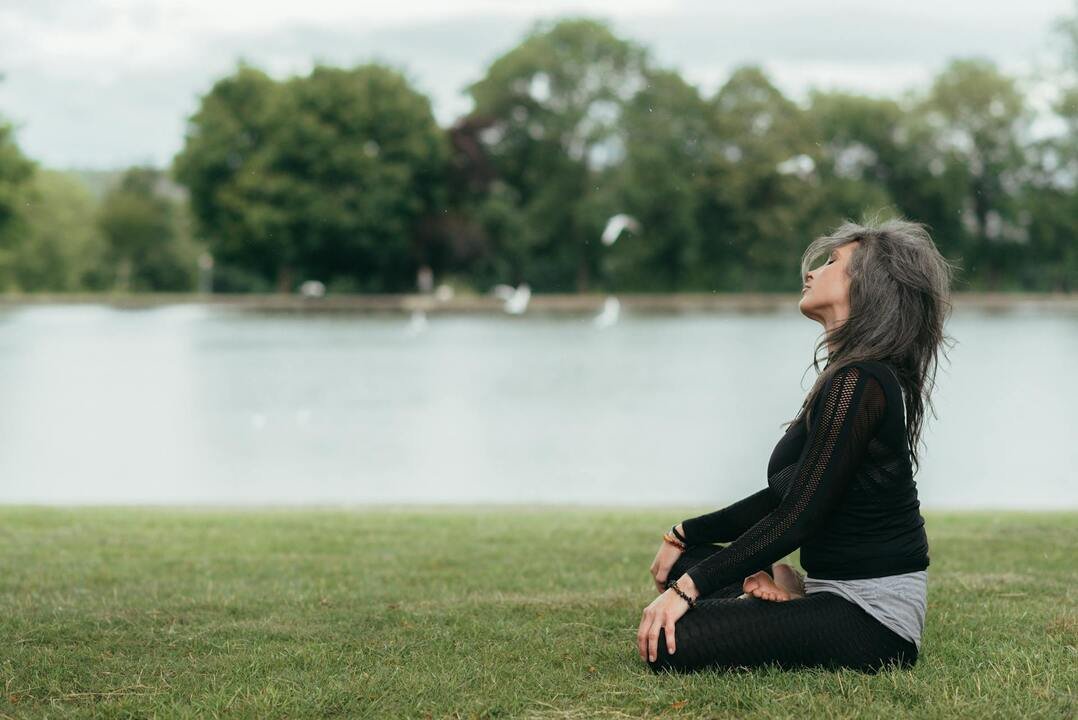
Grounding exercises are simple, practical tools that can help reduce anxiety by bringing attention back to the present moment. When anxiety rises, the mind often shifts into “what if” thinking—worrying about the future, replaying the past, or getting stuck in catastrophic predictions.
Grounding techniques interrupt this cycle by anchoring attention to the here and now, often through the body, senses, or environment. While they do not eliminate anxiety entirely, they can significantly reduce its intensity and help individuals regain a sense of control.
The 5-4-3-2-1 Grounding Exercise
One of the most well-known grounding strategies is the . This exercise engages all five senses to redirect focus outward. A person identifies five things they can see, four things they can feel, three things they can hear, two things they can smell, and one thing they can taste.
This structured sensory scan helps shift attention away from internal worry and into immediate experience. It is especially useful during panic attacks or moments of acute anxiety because it is simple and can be done anywhere.
Physical Grounding, Using the Body to Stabilize Emotional Distress
Another effective category of grounding exercises is physical grounding, which uses the body to stabilize emotional distress. This might include pressing feet firmly into the floor, holding a cold object like an ice cube, or clenching and releasing fists.
Some individuals find it helpful to engage in repetitive movement such as walking while focusing on each step or gently tapping different parts of the body. These actions signal safety to the nervous system and help reduce physiological arousal associated with anxiety.
Breathing-based grounding techniques
Breathing-based grounding techniques are also widely used. Slow, intentional breathing—such as inhaling for four counts, holding for four, and exhaling for six—can activate the parasympathetic nervous system, which supports relaxation. Unlike shallow or rapid breathing that often accompanies anxiety, controlled breathing helps regulate heart rate and restore a sense of calm.
Pairing breathwork with sensory awareness, such as noticing the feeling of air entering and leaving the nostrils, can make the exercise even more effective.
Cognitive or mental exercises
A third type of grounding involves cognitive or mental exercises. These help redirect racing thoughts by focusing the mind on neutral or structured tasks. For example, individuals may count backward from 100 by sevens, name categories of objects (such as types of animals or cities), or repeat a calming phrase like “I am safe right now.” These exercises occupy working memory, leaving less space for anxious rumination.
Environmental grounding
Environmental grounding can also be helpful. This involves intentionally engaging with one’s surroundings—describing details in a room, noticing textures, or focusing on the colors and shapes of nearby objects. Stepping outside and observing nature, such as trees, sky, or water, can be especially calming and restorative. Nature-based grounding has been shown to reduce stress and improve emotional regulation.
Summary
Overall, grounding exercises work because they shift the brain out of threat-based thinking and into present-moment awareness. They are not a replacement for therapy or medical treatment, but they are powerful coping tools that can be used in daily life. With practice, individuals often find that grounding becomes easier and more automatic, helping them navigate anxiety with greater resilience and stability.

Dr. Sara Michelson is a Licensed Psychologist in Chapel Hill N.C.
I am a doctoral-level licensed psychologist in Chapel Hill North Carolina; I have expertise in various evidence-based treatments for adults and am committed to providing scientifically validated interventions. I work with a diverse population, including trauma, insomnia, mood disorders, anxiety, and relationship problems. I take my work and clinical specializations seriously and continue to devote a considerable amount of time and effort to advance my training and professional development. For your convenience, my services are provided via telehealth.